
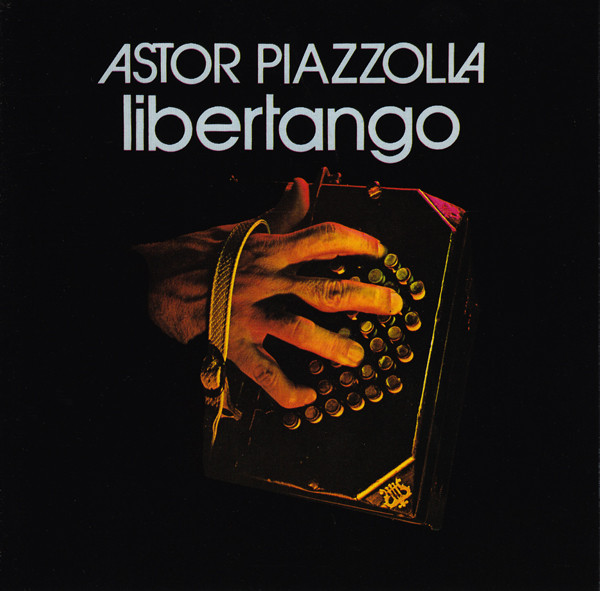
This is one of those albums that arrives in this section that we can’t really call a hidden gem. But since this year marks the fiftieth anniversary of the release of “Libertango”, it’s worth pausing for a moment to enjoy this wonderful, landmark work of music.
Piazzolla revolutionised the world of classical tango by weaving elements of jazz or pop into his compositions, along with classical music precepts, no doubt influenced by his teacher, Alberto Ginastera.
Hence the name “Libertango”, which isn’t just the title of the album and of the piece that opens it, but a statement of intent, approaching the genre freely and without prejudice.
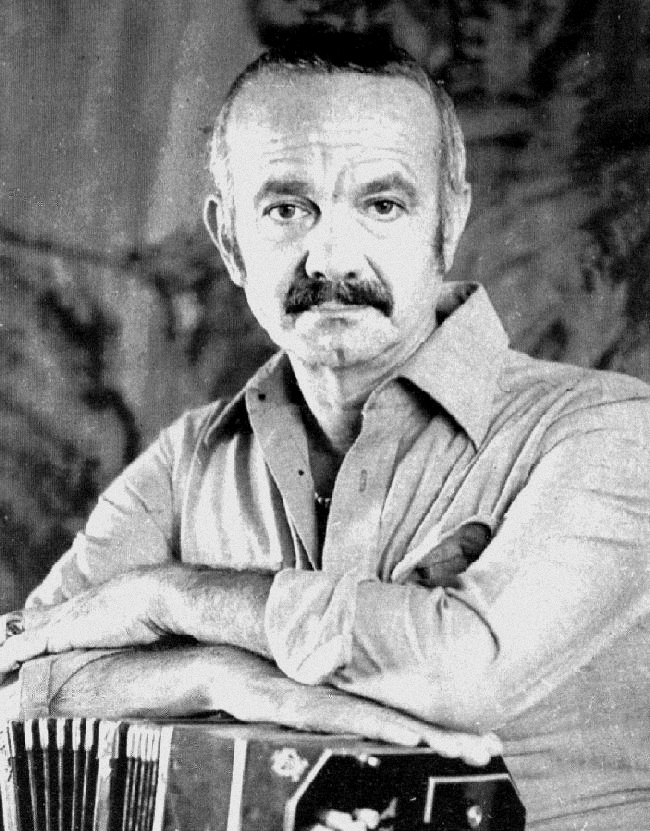
In truth, this record is the culmination of more than twenty years of rejection, exile and condemnation from the tango establishment of the 1950s and 60s that Piazzolla came up against; they even called him “el asesino del tango” (the assassin of the tango). But he also faced rejection from Argentine modernity, since at the time tango was seen as a dated inheritance from an Argentina that wanted to leave it behind. As the maestro himself put it: “En aquella época se podía cambiar todo, menos el tango” (Back then, you could change everything except the tango).
It wasn’t until the release of “Adiós Nonino” (1960) that Piazzolla began to be recognised and valued as a transformative figure. So “Libertango” isn’t the start of something, but the end of a beginning.
A reinterpretation of “Adiós Nonino” is exactly what we find on this record, even though it doesn’t quite fit the album’s overall flow. It was probably sensed that it would end up being a huge commercial hit, so what better song to give the record a push? Even so, it quickly becomes clear that the use of dissonance and tempo changes, jazz-inflected harmonies and a pop-rock band instrumentation are all products of their time, and at the same time miles away from classical tango’s usual parameters.
Titling some of the tracks so plainly — “Tristango” or “Violentango”, expressing feelings, or “Undertango” and “Novitango”, declaring certain intentions — certainly helps anyone who isn’t an expert in tango grasp the artist’s intentions more fully.
The star is, obviously, “Libertango”, a track covered by musicians as varied as Aydar Gaynullin, Yo-Yo Ma, or Grace Jones, who retitled it “I’ve Seen That Face Before”. Either way, it’s a brief composition built on an ostinato that repeats through practically the whole piece, over which a melody unfolds across various instrumentations. The bandoneon is the protagonist at every level — rhythmically, providing harmonic support, and taking on the responsibility of driving the melodic changes.
Special mention should go to Pino Presti’s magnificent work on bass, who perfectly understands his role as the link between the two worlds Piazzolla was bridging. And of course, credit is also due to Aldo Pagani’s production, the architect behind this whole union.
And “Meditango” is probably the most significant piece on the whole record. It contains every concept and idea laid out in the previous paragraphs: change and transformation. Just as we start with classical, melancholic sonorities, both in the intro and the middle section, the rest of the piece brings in a piano that joins the rhythm section to turn the composition on its head, eventually leaving us with a solitary bandoneon. After a few moments to savour it, the melody that closes the track takes over.
And in the case of “Undertango”, starting from its most street-corner-tango essence, it ends up offering daring arrangements with percussion and marimbas, but with harmonies full of the kind of romanticism Zoltán Kodály sometimes displayed. And the arrival of a seemingly chaotic ending is enough to blow your mind completely.
Analysing a work like this, of course, can’t be done without placing it in the context of the era it was created in. The almost unheard-of sonorities it brought to the genre, and above all the worldwide impact this peak moment ended up having, elevated Astor Piazzolla to the status of genius, with every stage in the world fighting over him. So perhaps he wasn’t a prophet in his own land, but that’s such a common story it shouldn’t surprise anyone.
For the more nostalgic among you, you can enjoy his artistry in this link to a video of one of his performances.
Writer: David Sàez