
Alternative
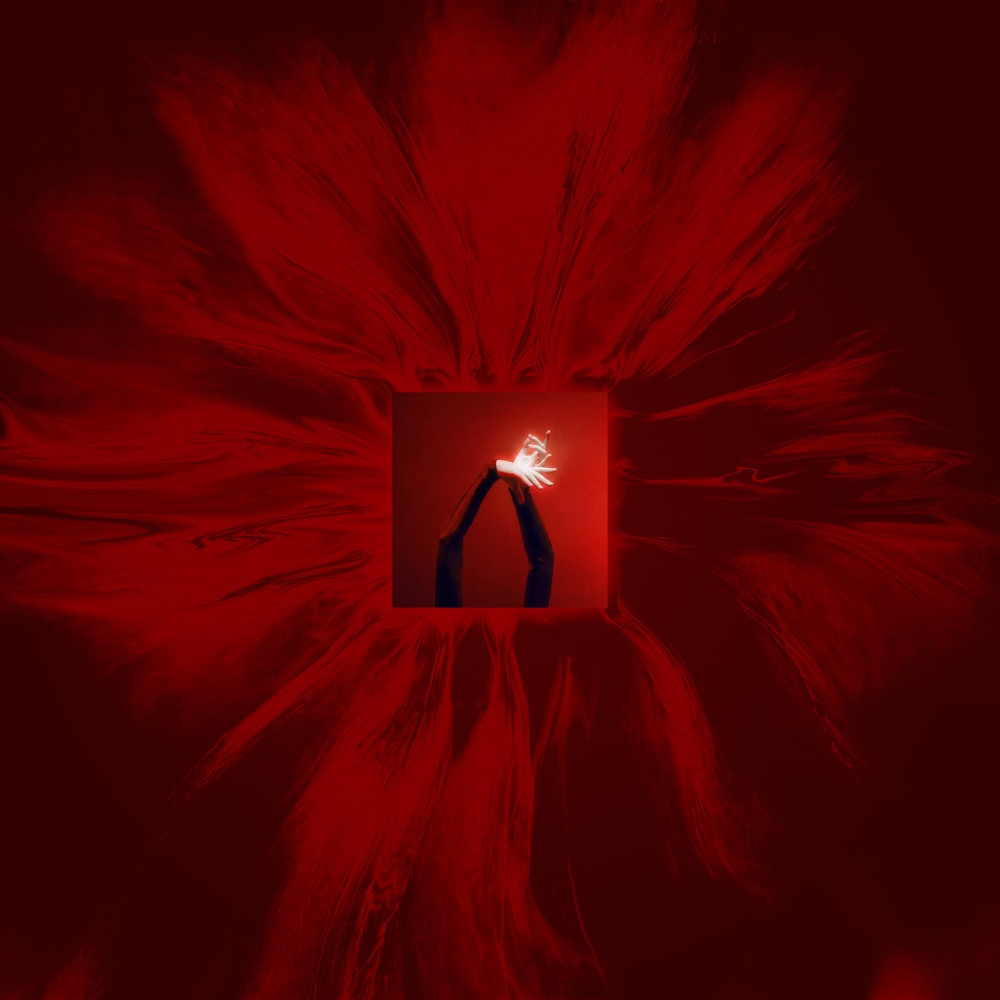
Deutsche Grammophon · 28 August 2026
The third movement is called “Rage of the Gods”, runs three eleven, and is the first place on the record where the whole operation comes good: a dry electronic percussion pushes underneath while strings and brass hold a drone that does not budge, and the two layers do more than take turns. Sam Shepherd recorded the synthesisers live, sitting inside the San Francisco Ballet Orchestra, and the two materials genuinely touch instead of being glued together in the mix.
“Mere Mortals” is Shepherd’s first full-length ballet score under the Floating Points name. It was commissioned by Tamara Rojo, the company’s artistic director, with choreography by Aszure Barton and visuals by Hamill Industries; the work premiered on 26 January 2024 at San Francisco’s War Memorial Opera House and returned to the stage from 24 April to 3 May this year. The argument sets the myth of Pandora alongside the arrival of artificial intelligence. The album came out on 28 August on Deutsche Grammophon, five years after “Promises”, which Shepherd made with Pharoah Sanders and the London Symphony.
The three best movements sit towards the middle. “Pandora’s Theme” (four twenty-eight) closes with a gnarled synthesiser arpeggio that crawls out from under the strings and woodwind when the piece already seemed settled. “Falling to Earth” (nine nineteen) is the longest of the fourteen, built on a kettledrum and an electronic crackle that keep rising for minutes, and it came out on its own on 1 May. And “Her Gift” (five thirty-six) is the quietest of them all and the one that needs least help.
“Hope” lasts forty-five seconds and “Hope Taking Flight” a minute thirty-nine: on stage they are transitions carrying you from one danced tableau to the next, and heard on their own they lead nowhere. The record ends with “Nowhere to Land” (three fifty-five) without closing anything, which makes complete sense in a ballet and leaves the listening half-finished. Of the fourteen movements, two come in under two minutes and three go past six.
Rating: 7.5/10
Text by Marçal Bonastre