
Metal
Neurot Recordings · 16 October 2026
On “Hailstone numbers”, Nickolis Parks drops his kick drum for a broken one, and the cymbal you hear is a metal chain dragged across the studio’s concrete floor. The first half of the track’s seven minutes thirty-six moves like a funeral march, and the drones underneath tie it to what follows without a clean edit anywhere. It is the most open moment on “The Bite That Grows Up”, eight pieces that Neurot Recordings release today.
Great Falls are a Seattle trio: Demian Johnston on vocals and guitar, previously in Playing Enemy and Kiss It Goodbye, Shane Mehling on bass, also of Playing Enemy, and Parks on drums and vocals, of Gaytheist. It is their second record for Neurot after “Objects Without Pain”, of 15 September 2023, and it arrives off a US run with Primitive Man and direct support on Botch’s final European tour. They cut it with Scott Evans at Studio Litho in Seattle in March 2026, the same room and the same engineer that had tracked the new Neurosis album a month earlier, which the band say they knew nothing about. Evans mixed it at Antisleep in Oakland and Brad Boatright mastered it.
“A Small Weakness” opens on a dissonant riff laced with static and distortion, drops without warning to lo-fi guitar and a held-back vocal, and comes crashing back when Johnston shouts “I am sorry”. “Worse Than Sleep” is drums and voice alone until bass and guitar fall on top of them, and the lyric belongs to a man who has built himself a one-man group therapy session: “I stained the glass, I built the church, I am here every week”. On “Debt Ethics” the riff’s tuning and metre go one way and the vocal another, pushed back in the mix.
“Nicotine In The Spine” was the first single and is the only track with a guest voice: the additional vocals are Peter Clement Lund’s, guitarist and singer of the Danish band Kollapse, whom they had toured with, and who died a few weeks after tracking them. Johnston addresses the lyric to his daughter (“I’m not prepared. I’m barely Dad”), and Mehling’s bass takes the space the rest of the album shares out.
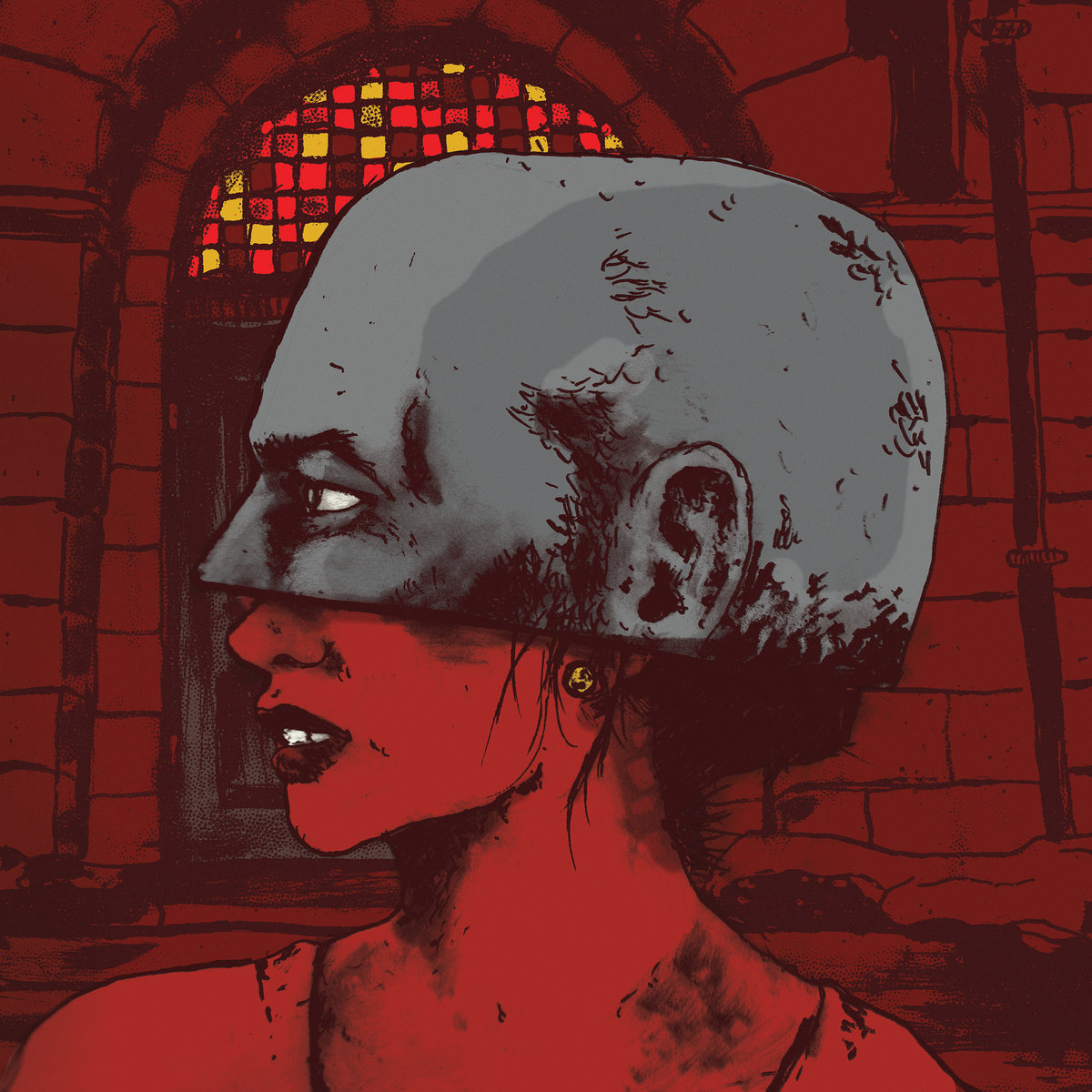
What the record does not do is return to its own high point. The broken drum, the chain and the drones of “Hailstone numbers” never come back, and the other seven tracks work the same three devices: tunings that resolve no chord, a metre that turns the second you start to follow it, and Johnston’s scream over the top. Forty minutes that leave the impression of an album with one isolated idea and seven demonstrations of force. The additional instrumentation is John Schork’s, and the illustration and design are Johnston’s own.
Rating: 8.0/10
Text by Roger Estivill