
Progressive RockMetalPost-rock
Writers:
David Sàez
Josep Maria Llovera
Jordi Gonzàlez
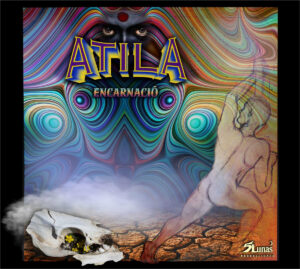
Even though it was already available physically back in July, its digital release lands this August. Maximum disappointment, and almost a dishonour to the history of this legendary band from the seventies national prog scene. Joan Punyet made an album at home with a huge amount of programming, and it shows: soulless and cheaply slapped together.
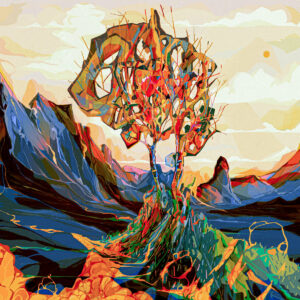
Nicholas DiSalvo’s project returns to present us with instrumental progressive rock full of pleasant tics borrowed from his main band, Elder. Honestly, if they’d told us these were rarities or outtakes from that band, we’d have believed it. So we can only assume that whatever gets left off DiSalvo’s main project, he keeps for himself and releases here, with more than notable results.
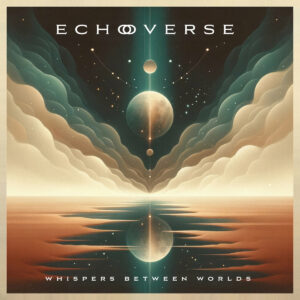
Echoverse “Whispers Between Worlds”
An excellent debut from this Tennessee outfit. We get progressive-rock tracks, one running around half an hour, with a personality of their own, recalling various bands like Spock’s Beard, Porcupine Tree, Asia or Advent Horizon, though with a sound that can’t hide its south-central US roots. A very promising start.
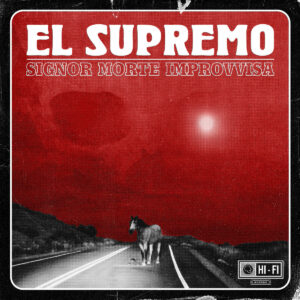
El Supremo “Signor Norte Improvvisa”
This North Dakota quartet offers up an instrumental record with stoner, blues and classic American rock touches; even the closing track carries a fabulous spaghetti-western-soundtrack flavour. They offer extended development of their tracks, played with excellent dynamism, and it makes for a fairly relaxed listen.
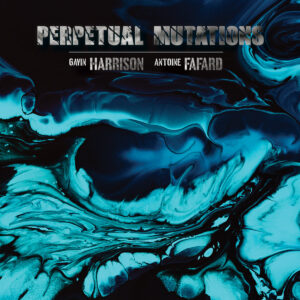
Gavin Harrison & Antoine Fajard “Perpetual Mutations”
An interesting jazz-fusion proposal with strongly rhythmic ideas, which isn’t surprising if you’ve heard either musician’s other jazz work, where rhythm has always been a standout element for both. Bringing in other musicians handling solo roles across various strings or horns gives it a distinctive character, though we quickly realise the best thing of all would be seeing this project live, precisely to enjoy these players’ great class.
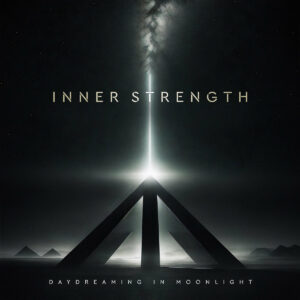
Inner Strength “Daydreaming in Moonlight”
The second album from this Pittsburgh band arrives. They’ve taken their time, since their first, “Within the Dream”, dates back to 1991. So on this re-debut we find an interesting mix of progressive-metal songs with Watchtower-style arrangements, blended with developments closer to classic Dio-style metal, for example. Part of its charm is the rawness and roughness of the production, which give it a special character. Don’t miss it.
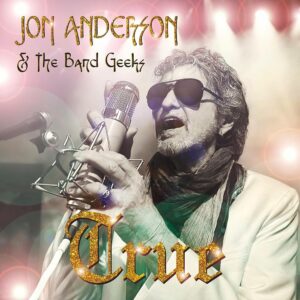
About to turn 80, the legendary Jon Anderson still gifts us new, fantastic music carrying his particular stamp, delighting the most die-hard Yes fans. And we could almost say it’s all thanks to Richie Castellano (Blue Öyster Cult), who founded The Band Geeks as one of his projects, a tribute act to Yes’s music (well, would you look at that, tribute bands can produce good things too). Jon Anderson fell in love with the band and started performing and touring with them, and now recording an album that, if it were credited to Yes, would be their best since “Magnification” (2001).

King Gizzard & The Lizard Wizard “Flight b741”
One of these Australians’ hallmarks is that every album is a different stylistic proposal, and, of course, it’s extremely hard to keep a consistently high level across all of them. This time we get tracks close to American rock-pop, the kind Steve Miller could have signed off on, songs with a subtle psychedelic touch, or tracks recalling the glam rock of pre-Berlin David Bowie. In short, an unremarkable mishmash that neither hooks you nor excites you.
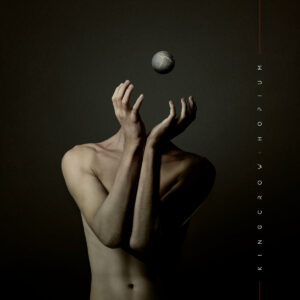
Just in time to hear this Italian band’s new tracks right before they hit the Be Prog! My Friend stage in Barcelona on 27 September. In line with the style of bands like The Pineapple Thief or Leprous — supposedly progressive metal, though at least in this case there’s a lot more rock than metal, which makes it more accessible to wider audiences.
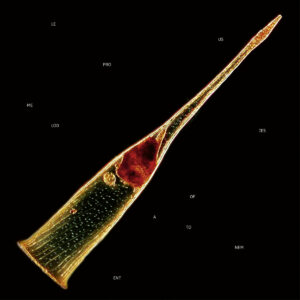
Leprous “Melodies of Atonement”
And the very band just mentioned in the previous paragraph is already a reference point when we talk about modern progressive rock, which is starting to feel not so modern anymore. We find more of the same here as in this band’s other records: flawless production, moods leaning dark, heavy tempos, despair by the bucketload, and a vocalist who sometimes sings like someone just stepped on his groin, an absence of solos, and, this time around, an absence of innovation too. Worrying signs of stagnation.
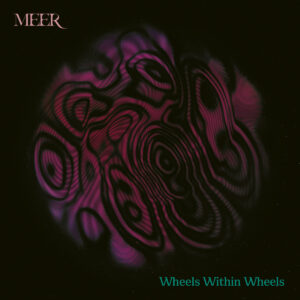
They define their music as symphonic pop, and sometimes get filed under the crossover-prog label. Honestly, when you’re making music this beautiful, it really doesn’t matter which drawer we put them in. With elements recalling Yes’s orchestral albums, but also tracks with a more pop-facing approach, the kind Muse might do, they’ve ended up putting together an hour of pleasant tracks, steering well clear of the cheesiness it would have been so easy to fall into.

Moonloop’s “Destí en Moviment” (Destiny in Motion) has finally seen the light of day, the third studio record from our own Eric Baule’s band. Dark, progressive, complex metal, with a very polished sound balancing clean vocals and well-placed guttural ones. Passages where, unsurprisingly, guitar harmonies stand out, always dealing with themes from our geological, cosmological and universal surroundings. We recommend enjoying the journey from the outer-space “Cosmic Matter” all the way to the closing track, “Portal”, a 13-minute epic that sums up, sung in Catalan, a journey through time and evolution along the Barcelona coastline.

This Canadian band’s second record builds on the foundations of instrumental progressive metal, with somewhat dark, eerie sonorities from the heavy use of minor keys. They steer away from the technical virtuosity we often associate with this style, favouring greater depth in the compositions and achieving greater dynamism instead.
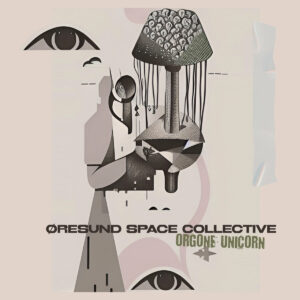
Øresund Space Collective “Orgone Unicorn”
Given that they compose through jam sessions, it’s understandable they’ve released forty records since 2006. That said, the freshness their music can offer obviously comes at the expense of melodic and harmonic development. But hey, if you’ve always wanted to sit through two and a half hours of improvised instrumental tracks close to space rock and psychedelia, here’s your chance to do it without any psychotropics.
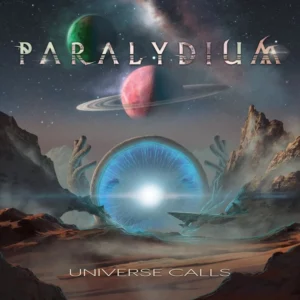
It’s curious that a progressive-metal album can be this predictable. Perhaps because it’s actually closer to symphonic metal than to progressive. So, under sonorities that might recall Dream Theater or Savatage, we find a limp, dull record that’s a collection of genre clichés — well executed, sure, but it goes in one ear and straight out the other (or vice versa).

Ritual “The Story of Mr. Bogd, Part I”
After a long hiatus, the Swedes Ritual return to action, and since this is the first part of a concept work, we’ll presumably get more new material to come. That said, don’t expect them to bring anything different from what they’ve already done, and there’s probably no need to. Adding folk elements to songs following the most classic canons of progressive rock, with the occasional venture into the dangerous territory of pop, is what defines this band.
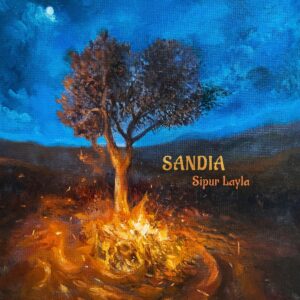
A calling card from Sandia, an Israeli quartet offering us a musical journey with jazz as its leitmotif, carrying plenty of nuance and influences from other musical genres, where we find tracks with a more prog-leaning feel like “Navad” or “Shorahim”, showing an influence from Tigran Hamsyan or Hago, with a hard, heavy piano emulating the djent style and complex musical structures. But the aspect of the album we’d highlight most is that it’s a record with a strong identity, with ethnic sounds from their own culture that come through on tracks like “Hasida” or “Sabres”. And there’s nothing harder to pull off than successfully transporting the listener to the region of the world the album or band comes from.
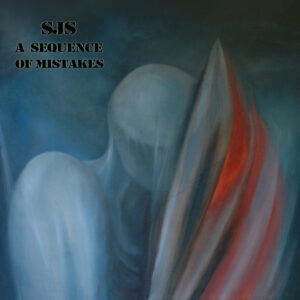
For anyone who wants to listen to an album with no surprises and enjoy an undemanding listen, here’s the third instalment of Stuart Stawman’s project. We get a correct record, with lovely melodies, relaxed tempos, nice arrangements, but excessively linear, flat, and with some rather cheesy melodies. Overall, the term “naïve” suits it fairly well.
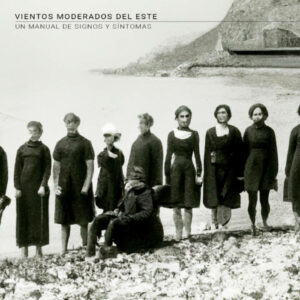
Vientos moderados del Este “Un manual de signos y síntomas”
From Alicante comes this band’s debut, offering us a bold, well-executed amalgam of styles, with some risky production choices that leave the album with a raw, dry, almost lo-fi sound in places, especially on the drums. With a certain power-pop flavour on some tracks, but also a musical language close to bands like Asfalto, Atavismo, Caravan, Módulos or Pink Floyd.
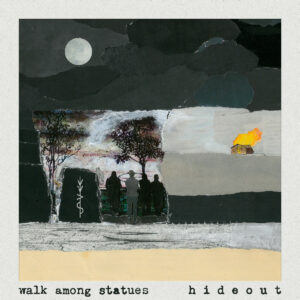
Walk Among the Statues “Hideout”
In Wrocław (Breslau, to us) they make instrumental post-rock too, and here’s a sample of it. Every fundamental element of the genre is present on this record, with the odd track exploring a heavier side, without straying too far. Well, for anyone who loves post-rock, here’s 40 guaranteed minutes of fun; for anyone who doesn’t, it’ll feel like watching a classic western where you already know exactly how everything plays out.

Following the principles of the Guitar Craft school founded by master Robert Fripp (King Crimson), guitarist Frédéric L’Epée’s project has crafted a more than recommendable album, hard to pin down genre-wise, and masterfully, subtly, delicately put together. This time they’ve brought in the wonderful voice of Carla Kihlstedt (Sleepytime Gorilla Museum), who complements the already excellent music with generous doses of musical expressionism. You should listen to the taste they offer on their social channels, and you’ll surely end up buying the album, just like yours truly did.
Writers: David Sàez, Josep Maria Llovera, Jordi Gonzàlez