
Progressive Rock
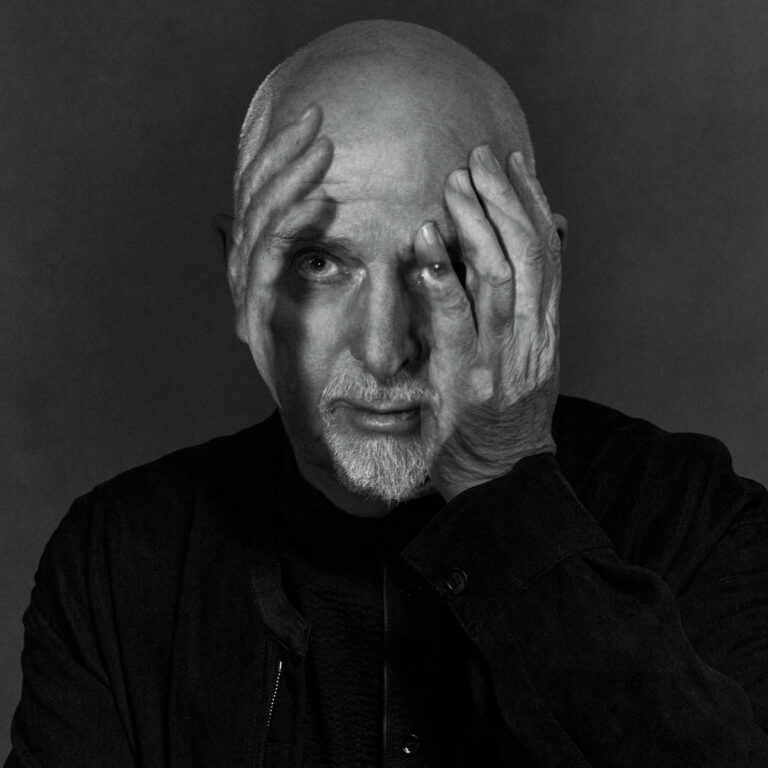
After 21 years without releasing a record of new compositions — because, as you know, “Scratch My Back” (2010) and “New Blood” (2011) had no new songs — Peter Gabriel releases “i/o”, after drip-feeding us several singles along the way.
The first thing to say is that these are 12 songs presented in two versions. The first is what he calls the Bright-Side Mix, and the second the Dark-Side Mix. As you’d expect, these are the same tracks mixed and mastered differently. On the Bright-Side we get a brighter equalisation, with both vocals and instruments pushed forward, everything softer. And on the Dark-Side, the exact opposite. Original? About as much as Goya’s “Majas” or the four versions of Munch’s “The Scream”.
We get the typical hallmarks of Peter Gabriel’s work: virtual drums combined with real ones played by the ever-excellent Manu Katché, a certain minimalism, the incomparable Tony Levin on every kind of bass, and David Rhodes with his particular guitar style. In short, the usual, with the usual sublime quality.
But getting down to business: “Panopticom” opens the album. Its main feature is the interplay of speeds, giving it very good dynamism. The main keyboard motif keeps repeating between dark, restrained verses, contrasting with the more vibrant, upbeat choruses.
Right after, we get “Court”, with the always-curious rhythmic foundations Peter Gabriel offers us, backing his voice up to an almost bare bridge with a lovely chorus. In the middle section, a powerful string orchestration enters, building tension, only to go right back to recurrently repeating what’s already been laid out.
With the opening line of Frédéric Chopin’s “Sonata No. 2”, its key altered to suit the pessimistic lyrics of “Playing for Time”. A melancholic track where we can enjoy a mellow double bass, gorgeous strings, delicate piano, and a Gabriel working in the territory where he stirs up the most emotion. Abruptly, we get a more rhythmic, upbeat ending that fades back into the opening mood. This one, no question, you have to hear.
We arrive at the title track: “i/o”, a pleasant pop song with an easy-to-remember chorus, despite sitting inside a curious rhythmic amalgam. Quite the opposite of the dark “Four Kind of Horses”, which is saved by its tremendous production, since as a composition it doesn’t grab your attention at all and becomes a bit tedious.
Much the same on “Road to Joy”. Because deep down, we’re listening to what Peter Gabriel has always done, but technology has stripped away all that hand-crafted work from his seventies and eighties albums, which gave them such great originality and made him a musical reference point for many generations — there are still people copying ideas of his that were once wildly avant-garde. But thirty years on… I’m sorry, but it’s like watching a western. Even so, it’s a cheerful, pretty, pleasant little song to listen to.
Over piano and bass figures, the vocal melodies of “So Much” unfold. Repeating the same motifs over and over without any particular charm. Only suitable for people who are in love with Mr Gabriel’s distinctive voice.
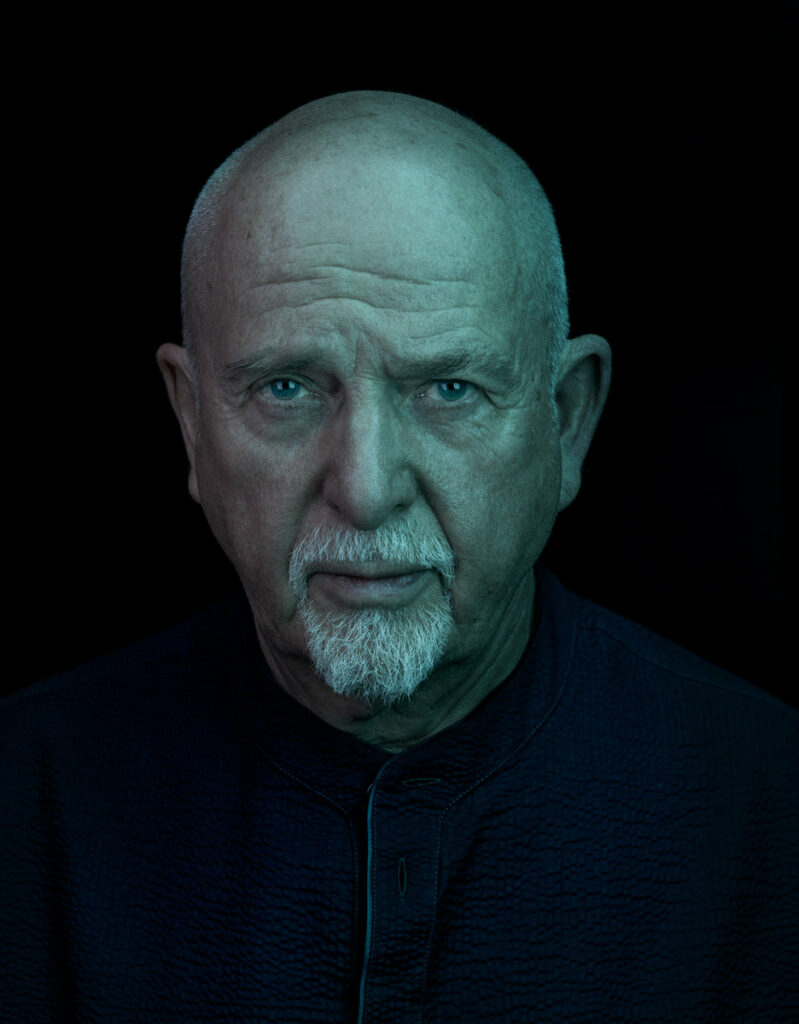
“Olive Tree” is at least upbeat and good-natured, though it’s the kind of thing you put on in the background while cleaning the house on a Saturday. I’ll be mean and say this track would have worked much better for Phil Collins, and you’ll agree with me once you hear the keyboards emulating a horn section. And, by the way, Phil actually had real horns. Ah! And to think what the two of them used to do together.
The opening bars of “Love Can Heal” bring back a bit of hope, with some interesting arrangements, but the development falls right back into the constant repetition of ideas across verse and chorus. Much the same on “This Is Home”. An anodyne composition, showing no traces of the artistry this gentleman once demonstrated. I don’t know, man, if after twenty years this is the best you’ve got…
And things don’t improve on “And Still”, another dull track where only the string interlude, with a dominant cello, stands out — though it won’t go down in history either.
We close with “Live and Let Live”, where he’s allowed himself the luxury of having Steve Gadd himself play a brushes loop. Come on — all the talent of one of the best drummers in history at your disposal, and you make him play a loop? If it had at least been a killer track, like when he had Stewart Copeland record the hi-hats for “Red Rain” on the album “So” (1985), fair enough. But this is nowhere near the same thing, since it’s a song for the same Saturday house-cleaning session we started earlier. Not even the slightly African-flavoured closing backing vocals lift our spirits.
Honestly, why on earth put out two mixes when it’s obvious everything works much better with the Bright-Side? On the Dark-Side we get tom saturation, low fidelity, aggressive EQ choices on tracks that should sound subtle…
Too many question marks for a record that, coming from a figure as prominent as Peter Gabriel, should have been flawless and anything but disappointing — especially after such a long hiatus.
Writer: David Sàez