
Progressive Rock
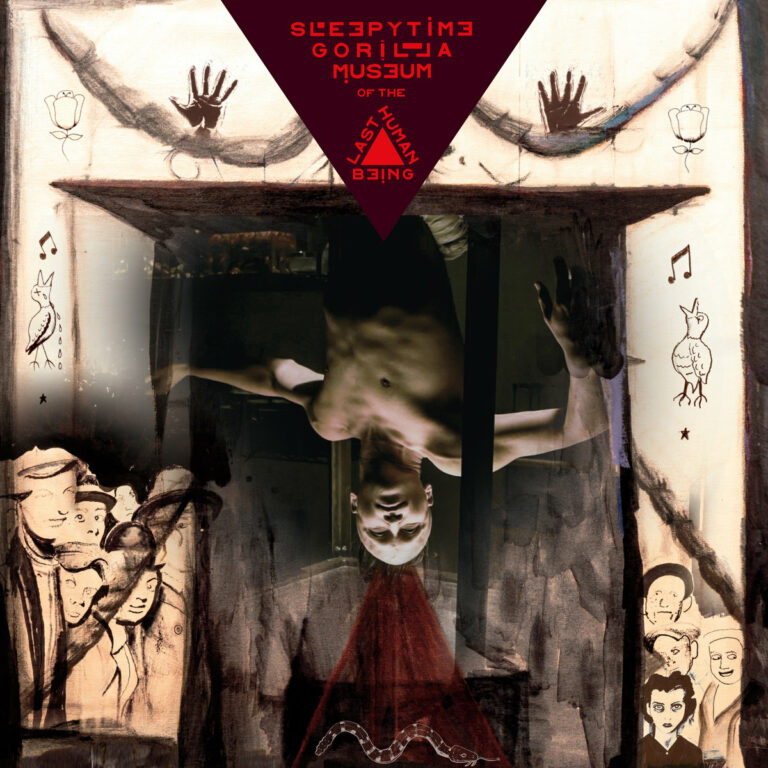
After a long period of silence — 17 years, no less — the Californian band Sleepy Time Gorilla Museum returns with this sensational album of what we might call “experimental music”, though at this point there’s little left to experiment with. So let’s just say it’s music with ideas close to Dadaism, and of outstanding richness, compositional quality and performance.
Nils Frykdahl, Carla Kihlstedt, Michael “Iago” Mellender, Matthias Bossi and Dan Rathbun make up this band of multi-instrumentalists and vocalists, who rotate through a whole amalgam of instruments. From well-known ones like drums, electric guitars, bass or violin, to genuinely strange ones like the bass harmonica, the nyckelharpa, the marxophone, and others they’ve built themselves, like the electric pancreas (best not to ask).
With a certain tonal disintegration that allows everything, once the vocal melodies arrive, to take on an extremely dramatic and slightly histrionic turn. “Salamander in Two Worlds” is a magnificent piece drawn from the most classical of musical traditions, but presented in a contemporary form. Honestly, it could easily pass for a Richard Strauss piece. The salamander’s two worlds are reflected perfectly here: rock instrumentation with a canonical concept of musical expressionism. A pivotal track on the album, since after it you either decide to keep listening or conclude this is all too extravagant. Either way, it’s a dark, sour delicacy you have to let catch you and stir up your feelings — especially in the closing coda, very much in the style of Black Midi.
Continuing with this dramatic streak, we get the instrumental track “Fanfare for the Last Human Being”, which could almost have served as the album’s introduction. Placed here instead, it makes for a more forceful opening to “El Evil”. Another strange composition with exceptional foundations close to Mister Bungle and King Crimson.
“Bells for Kith and Kin” is linked to the previous song and, as its title suggests, is a track performed entirely with various kinds of bells, making for something very original. It also serves as a transition into “Silverfish”, where Carla Kihlstedt’s soft female voice wraps around us in a very gentle melody, contrasting with the roughness of the arrangements surrounding it and the continuous organ underpinning the first two verses and choruses. This whole first section is especially reminiscent of compositions by the always underrated David Sylvian. The striking violin briefly takes over the spotlight with a visceral, bold and moving performance, so that the return of the sung section feels even more intimate. Bringing back the violin motif with bigger, more dissonant instrumentation makes the final vocal passage hit even harder.
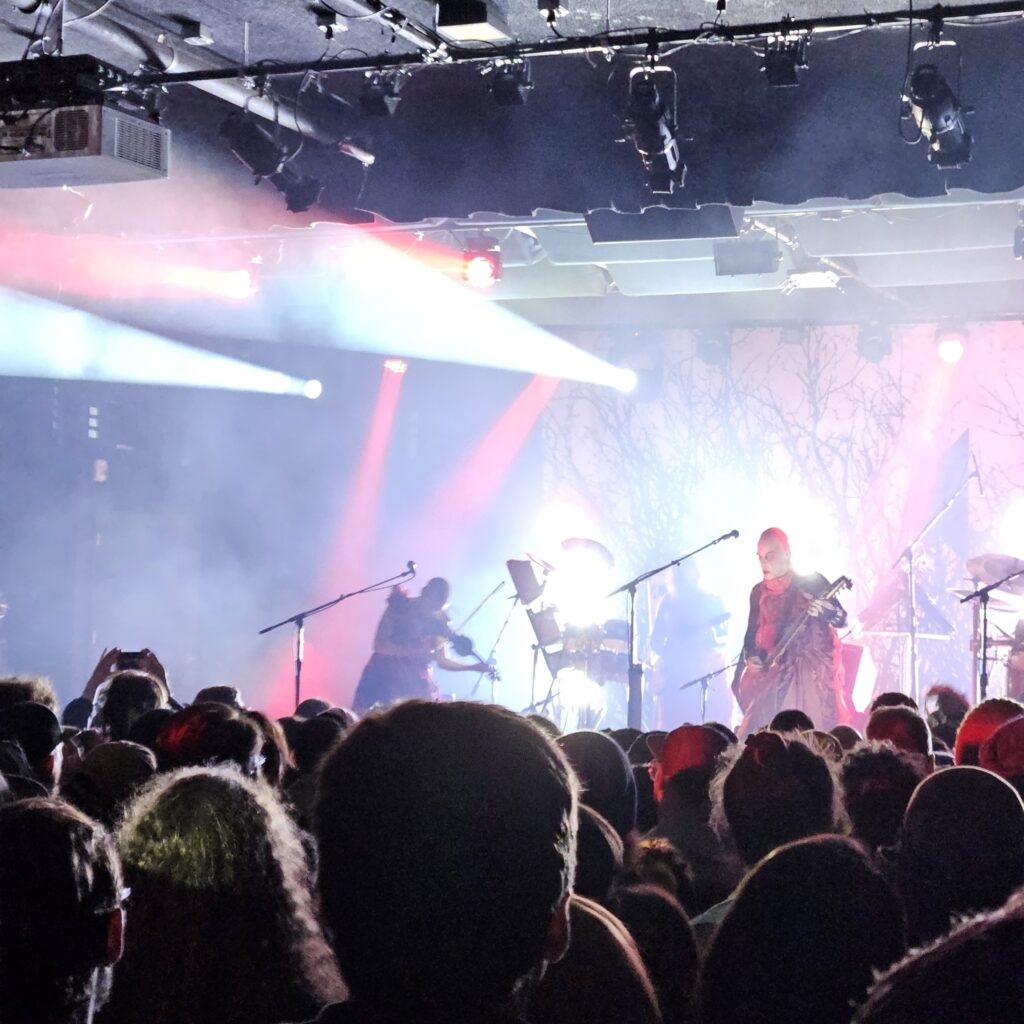
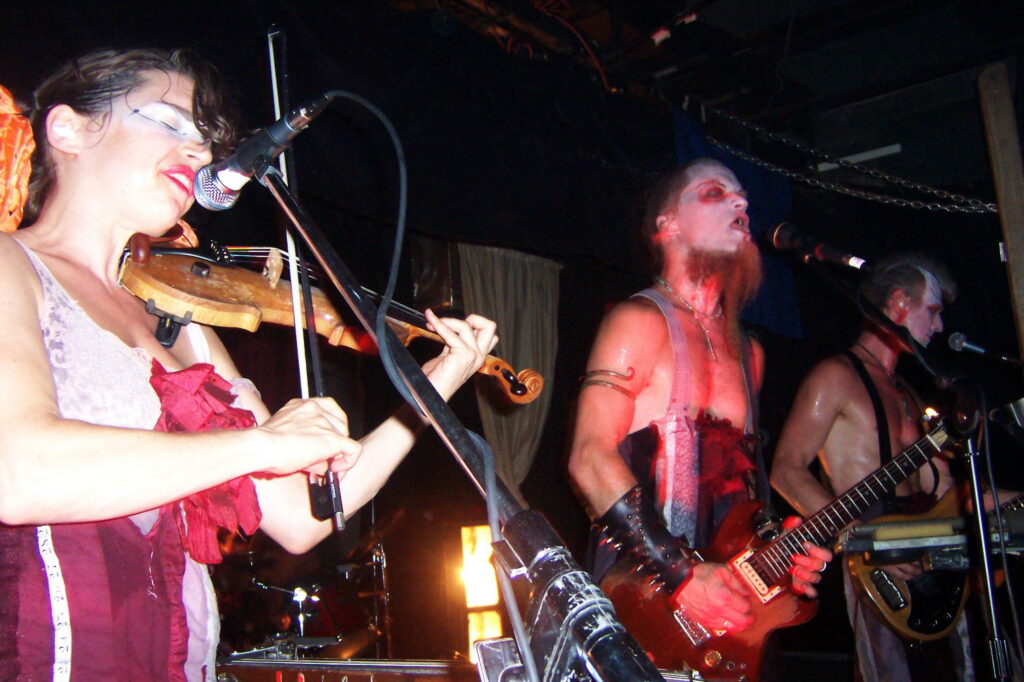
And with those closing atmospheres we move into the rhythmic “S.P.Q.R.”, a hymn to the pride of being Roman, with a handful of basic Latin phrases in the lyrics. Unlike the rest of the tracks, this one is very direct, without subtleties or complexities — a welcome change of pace after so much introspection, and four minutes of sheer craziness doesn’t hurt.
The opening of “We Must Know More” is surprising, almost like a cabaret number, where all that’s missing is imagining a burlesque choreography to enjoy the reveal of who the last human being actually is. And if we still haven’t recovered, “The Gift” will finish the job of throwing us off balance. After a brief introduction worthy of the best psychedelic rock, we move into sickly riffs, with a piercing voice authoritatively navigating the different rhythmic motifs. The transformation in the track’s second half, without forgetting the notable harmonic tension, melts down into a chaotic, poetic amalgam, from which we’re rescued by the return of the main ideas, alternating with the aforementioned melodic dissonances.
“Hush, Hush” opens with the soft, melodious female voice. A track that brings to mind ideas and concepts you might find in Björk. The change of tempo in the second half creates a kind of soft-rock atmosphere and allows the interlude, built on a vigorous 3/4, to feel very raw. It’s perhaps not entirely successful, since the arrangements are fairly simple and the original intent ends up diluted.
And a track very much to the taste of Frank Zappa fans or Adrian Belew followers is “Save It!”. A short track, seemingly simple, but capable of leaving us a little baffled. Just as quite eccentric is “Burn Into the Light”, which again shows the influence of Mister Bungle, proving once more that Mike Patton’s nineties project was extremely visionary. The long instrumental development in the middle section is dominated by guitar motifs that give way to a sung coda, dense, dark and somewhat disturbing, which fades away until only the solitary chords of the acoustic guitar remain.
The pizzicato arpeggio from the violin introduces us to “Old Grey Heron”, where once again we wander through dramatic atmospheres straight out of some Tim Burton film score. A powerful, biting bass pulls us away from these surroundings, even as a heavy darkness lingers on, contrasting with subtle winds and light female backing vocals. The arrival of a precise, relentless riff, as the vocals gradually take over the spotlight, sets up a closing section where they masterfully let the tempo fall away.
As the album’s conclusion, we get the singular composition “Rose-Colored Song”. One last track marked by a continuous arpeggio, with various instruments taking turns playing it, and where different arrangements give it a stamp somewhere between disorientation and delirium, which by this point we’ve come to expect. The way the track pauses to let a fleeting voice appear briefly tries to create a certain unease, meant to be heightened by the closing arrangements. Predictable, but effective. It’s perhaps not the best decision to end the album this way after such a long, demanding listen; even so, there’s no denying it fits the concept behind this whole work.
An excellent album that can only make us glad to see this thoroughly peculiar band back on the scene, especially at a time when bold, auteur-driven music isn’t exactly having its best moment. Magnificent.
Sleepytime Gorilla Museum bandcamp
Writer: David Sàez