
Jazz
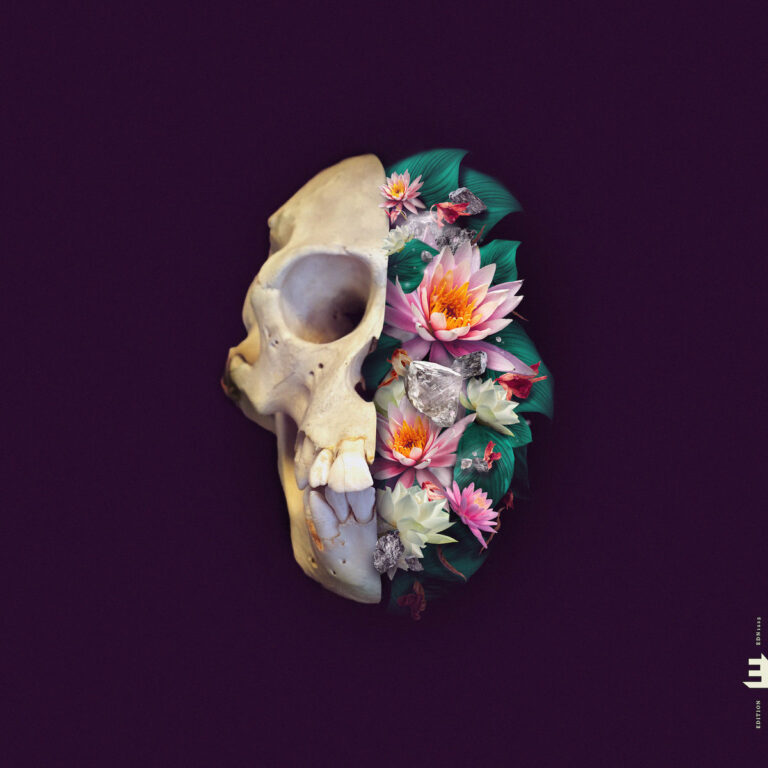
Verneri Pohjola, a Finnish trumpeter and son of the renowned bassist Pekka Pohjola (Wigwam), has put together his ninth record, full of complexity and subtlety that make it more than worth a listen. To build it, he brought in Kit Downes on piano and keyboards, Jasper Hoiby on double bass, and Olavi Louhivuori on drums.
We are introduced, wildly, to “Party in the Attic”, and once the initial shock passes, we get the main motif, to which the trumpet is later added to develop various ideas. It is a very rhythmic, enthusiastic track, full of interesting melodies that have your ear dancing from one instrument to another — almost essential to listen to with headphones. The party ends abruptly, and the music perfectly describes what a sensory crash from ingesting too many recreational liquid substances would feel like. An excellent way to get us hooked — on the album, not the drink.
“Space Diamonds” gives us interesting melodic lines while drums and double bass stay restrained, firm and obstinate. Little by little we enter more atmospheric territory, in the style Miles Davis proposed on “Bitches Brew” (1970), and gradually move closer to more psychedelic ideas. This brings us to the final section, where powerful keyboards bring us back to the opening melodies.
New unsettling atmospheres are presented to us on “Being Sentient”, where the trumpet’s filtered breathy sounds combine with a piano played in whole-tone scales. The entrance of chaotic drums and double bass lends the track even more disorientation, though in a broadly positive sense.
And continuing right on, the opening chords of “Of Our Children” bring us back to more standard territory, with a lovely ballad in a kind of modal jazz-blues style. It features an authoritative snare and tambourine that, in a bold production choice, relentlessly break up an atmosphere that could otherwise have been overly precious.

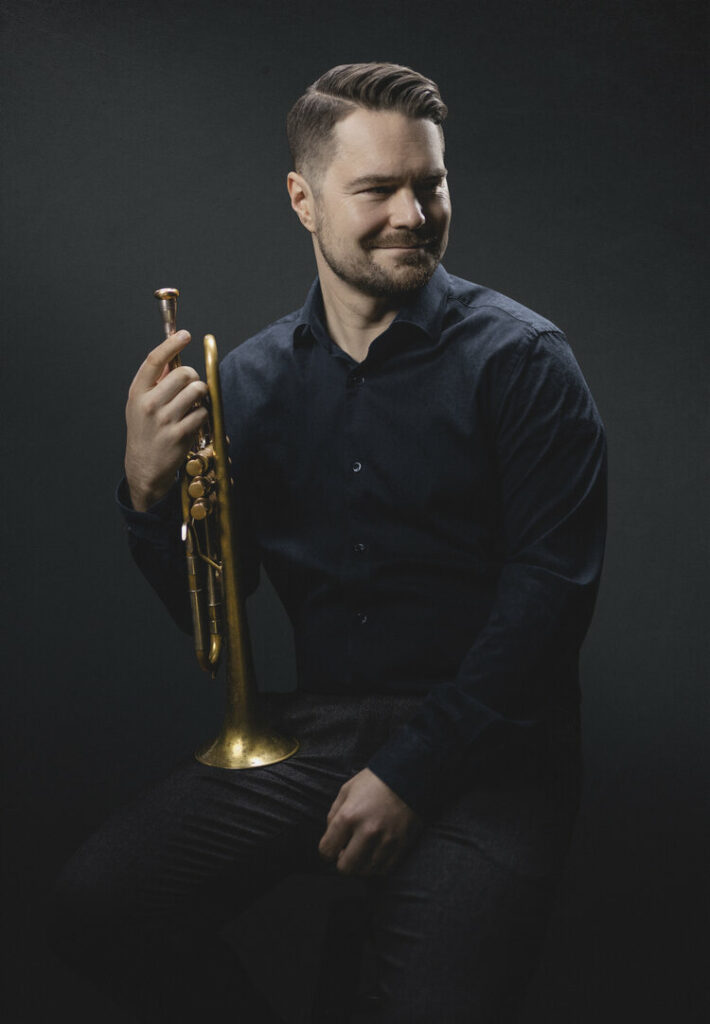
With the title “Save This One for When You Need It”, we can guess where this track’s origins lie. The melody the trumpet presents in the opening moments gives way to several ideas which, together with its 2/4 metre and its ensemble-played choruses across several horns, lend it a certain solemn air. A magnificent blend of a style recalling New Orleans funeral-march bands, given a contemporary production.
A fantastically played double bass opens “Avance!”, whose classicism ends up flirting with a chorus almost more fitting for a progressive-rock band — because the moment you put in a keyboard emulating a mellotron, as is the case here, everything suddenly feels prog. Either way, we later get a double-bass solo brimming with dissonance, joined by trumpet and electric guitar that transport us into moods we’ll dare say will delight King Crimson fans. Very eclectic.
Another unsettling, original and playful composition is “Dance in the Morning”. The insistent trumpet in the background, the piano in its higher registers, and the keyboard all contrast with the melodic motifs of the lead trumpet. It sounds as if two different pieces were being played, deceptively disconnected, until the arrival of the rhythm section, which blends every element together like a good sauce. And, as with any good saucy dish, you can dip your bread in it.
A very different proposal is “Bebe”, where it almost seems the artist’s intent is to lull us into a meditative state. But it gradually draws us into more jazz-fusion territory, with gentle main lines, despite strange arrangements that cause a certain instability in the listener’s brain. And to be even more disorienting, we reach the middle section with entirely classical principles, and a fairly open-ended conclusion, heightening the sense of unease it conveyed.
To finish we get “Out of Silence”, whose dense, slow playing offers a new track where the melodic lines wrestle with the almost disturbing arrangements. The piece then moves into a solo-piano section, from which we emerge even more shaken with the help of the rest of the band, who end up creating a harrowing chaos. Closing an album this way takes courage and a real risk, since it is not for all audiences.
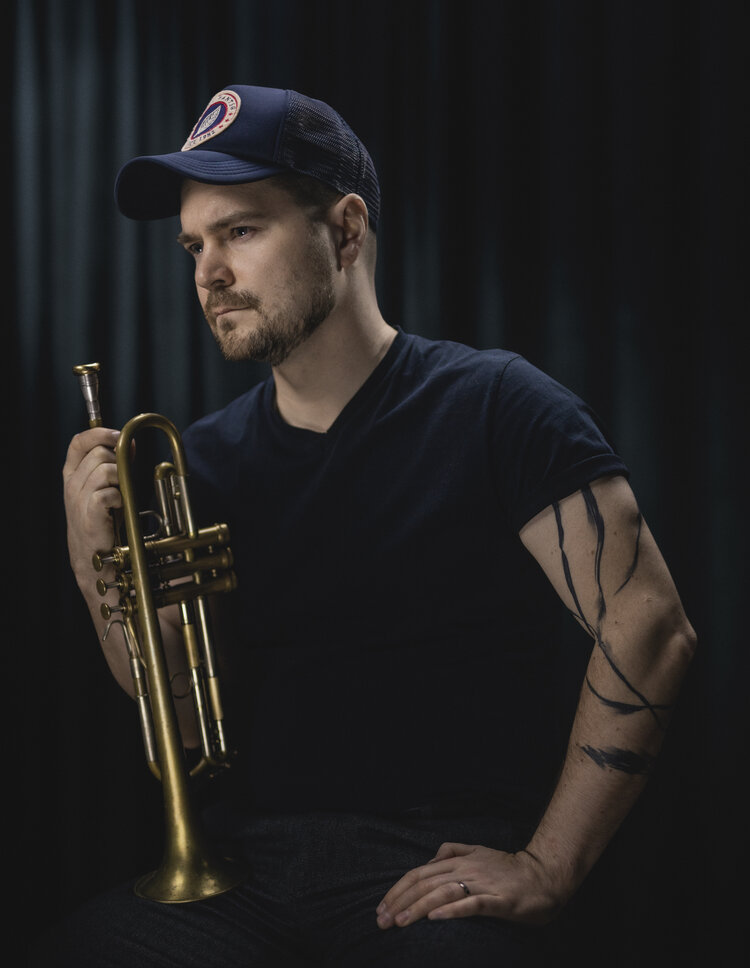
So what we have here is a varied, fun, original and bold record of jazz that is hard to classify and, at times, very demanding. But it is well worth listening to, since we can assure you it will not leave anyone indifferent.
Writer: David Sàez