
Metal
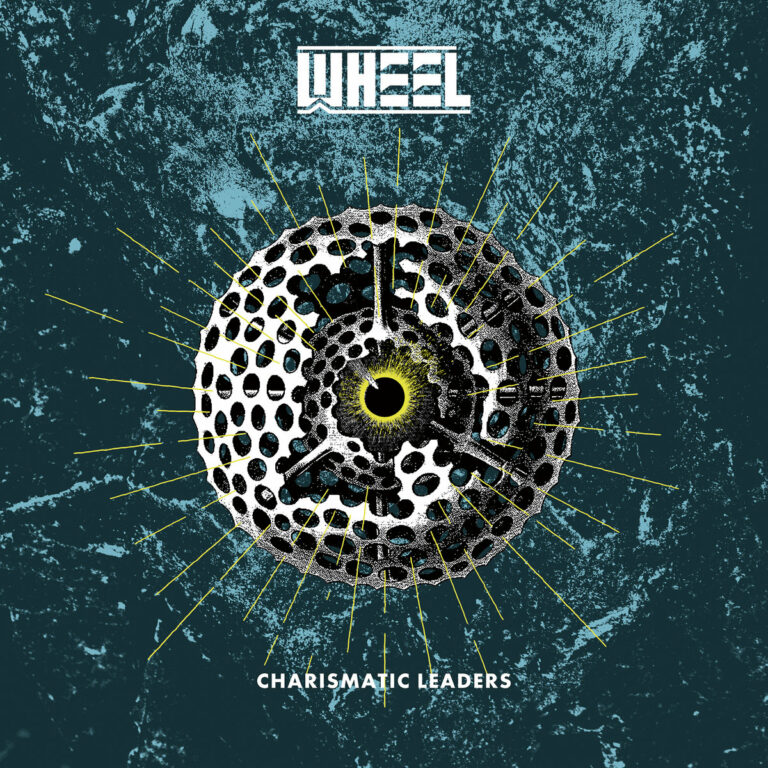
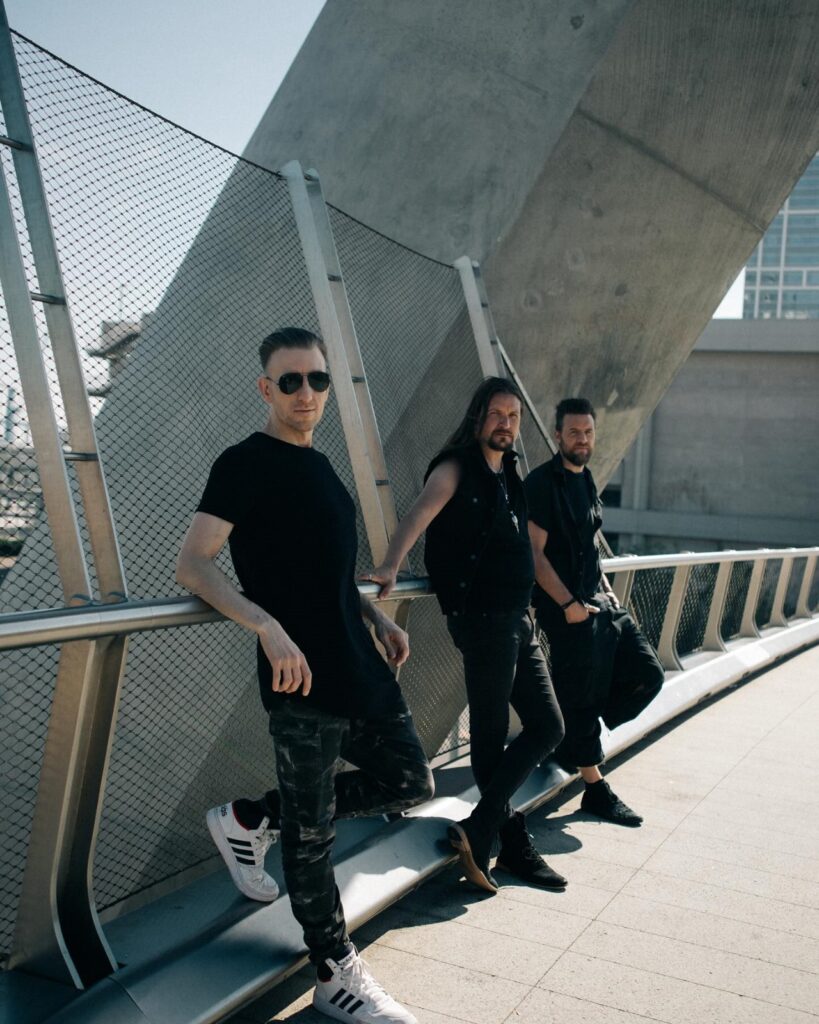
Finland has been a breeding ground for numerous prog bands in recent years. And a fine example is the third studio album from Wheel, a band made up of James Lascelles (vocals and guitar), Santeri Saksala (drums) and Jussi Turunen (guitar). Bass duties have been shared between Lascelles and Turunen.
It’s probably their densest, heaviest album to date, though the band has always stood out for its power. A magnificent record, of which we offer a few brushstrokes.
“Empire” opens without any preamble. Direct, with a strong intro leading into a forceful verse, though delivered at a measured tempo that recalls bands like A Perfect Circle, especially in the vocal treatment. It’s worth noting that Lascelles’s vocal range is very close to Maynard James Keenan’s. Bringing back the intro as a bridge into a melodic shift reinforces the composition’s rawness, and they give it one more twist with a closing coda built on a powerful rhythmic ostinato, ending abruptly.
“Porcelain” opens in gentler, more standard territory, but the chord progression leading into the chorus already hints this track won’t be so simple. And sure enough, the chorus, which plays with a shifting blend of time signatures, confirms exactly that. A brief interlude offers a really interesting variation, steering the track towards more nostalgic territory, before another interlude where the bass briefly takes centre stage. It soon shares that spotlight with a minimalist, melodic guitar section, setting the mood for a vocal passage that winds along sinuously. After another instrumental passage, the chorus returns and flows into a final section where the guitars lead us to the conclusion.
The intro and vocal sections of “Submission” follow similar ideas to the previous track, though it’s worth noting that the full-band entry creates a lovely contrast, alternating with the restraint of the second vocal section. It leaves you with the feeling they’re deliberately holding back from fully launching the track, and they pull that off masterfully, repeating the gesture again and again. We reach the composition’s midpoint, where the atmosphere turns more intimate and, if possible, even more dramatic. An interlude featuring firm polyrhythmic ideas, set against the guitar’s free expressiveness, leaves us admiring the band’s compositional command. One last vocal passage and we head into a forceful, all-in ending that has us exclaiming “well played, you”.
And if that wasn’t dense enough for you, the opening riff of “Saboteur” might just do the trick. From there we’re back into the same kind of dark, mournful, restrained verse development, contrasting with the chorus and instrumental sections. A device that can start feeling a touch heavy across a single listen of the whole album, where the listener might appreciate a brief breather; but they show no mercy and keep pushing the same productive, stylistic approach. So while we’re thoroughly enjoying it, it has to be said that hearing them repeat the intimate, pathos-laden move again around the midpoint leaves us a little distracted. The arrival of the final section — dark, heavy, low and relentless — briefly snaps our ears back to attention, before wrapping up straight away.
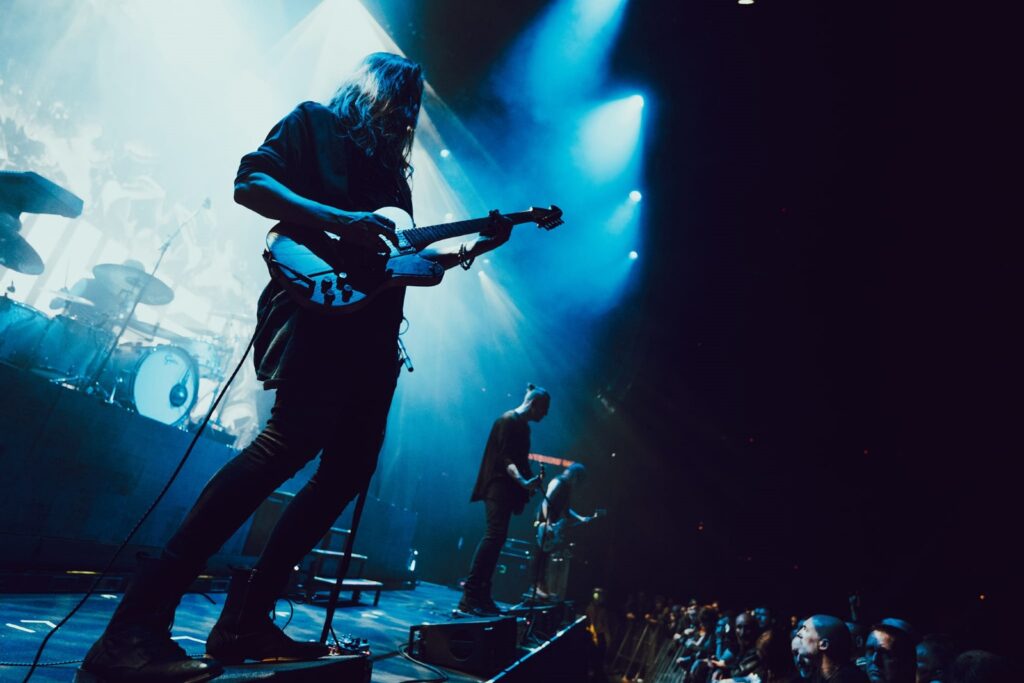
A brief string introduction characterises “Disciple”, where the vocals sail above rich bass and guitar lines, while the drums keep the whole thing bound together. The composition flows like a meandering river you just have to let yourself be carried by, since the structures you can hold onto are fleeting, right up until the final riff arrives, relentless.
The typical brief acoustic interlude that breaks up an album’s dynamics arrives now, this time laden with ambient effects, perhaps a little late in the record. Either way, “Caught in the Afterglow” serves as a prologue to “The Freeze”, which closes out this release. Lone guitars open the track, with the bass soon joining in to round it off. The arrival of the vocals confirms this isn’t exactly a festival crowd-pleaser — or at least, pasodoble fans wouldn’t get it. The atmosphere the drums bring to the accompaniment is simply exquisite, steering clear of prescribed patterns and, without breaking the intimacy, offering something extra.
From around the three-minute mark, the track moves into more familiar territory — familiar, not ordinary — where sadness remains the dominant note. But we soon find those forceful ostinatos again, contrasting with delicate guitar arpeggios and calm vocals. Worth highlighting is the lovely use of stereo guitar effects ahead of the track’s one proper guitar solo, courtesy of Turunen. That effect is later exploited further as the vocals work through the final verses, capped off by a gut-wrenching scream that gradually dissolves, bringing us back to the composition’s more intimate atmospheres. And here we have to mention again just how beautiful Saksala’s drumming is, taking undisputed centre stage right through to the final coda, delivering a fantastic finish.
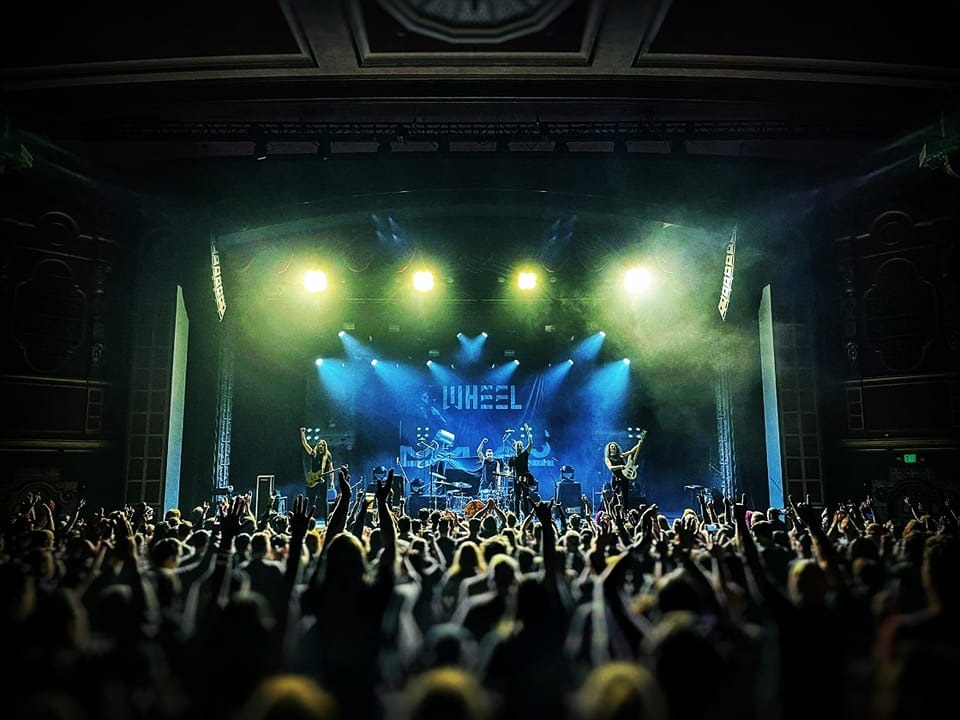
Albums like this are thrilling, and they make you think prog has a bright future ahead in the coming years, with this band and others like it. At least within the heavier, more forceful lines of progressive rock.
Writer: David Sàez