
Progressive Rock
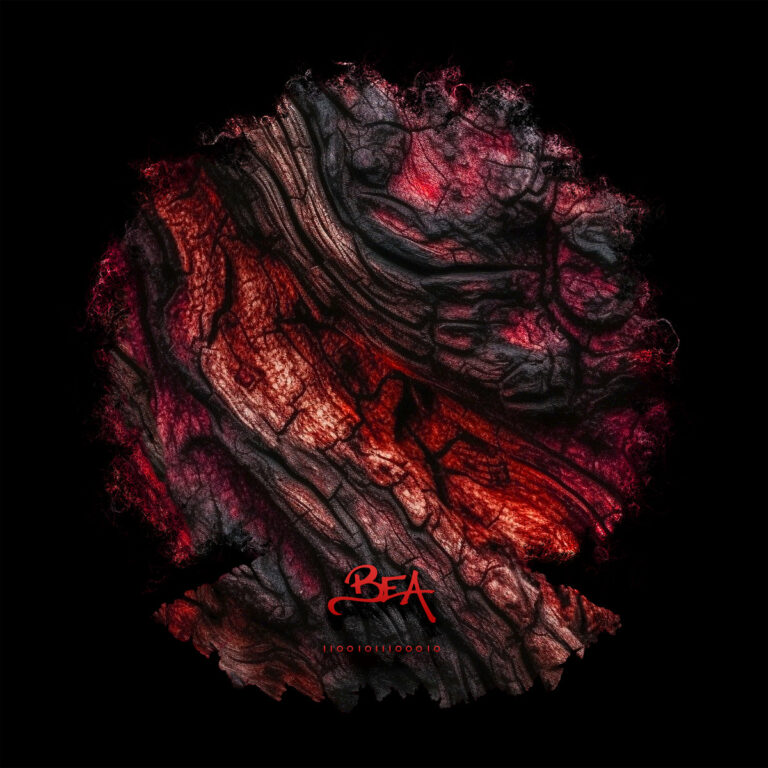
Kicking off the year with a record like this gets you fired up. Rabea Massaad, who also releases work under the alias The Totemist, is an English multi-instrumentalist musician — the kind that’s infuriating because he plays everything at a stratospheric level, especially guitar.
And he’s a good example of how times change, since he’s also got a hugely important side as a YouTuber, which lets him, on top of showing off his class, make video blogs and gear reviews — conveniently promoted, of course.
And, most notably, he breaks the axiom that progressive rock equals long songs. Quite the opposite, as you’ll hear.
“JUSCOS” opens like a well-aimed slap. A powerful burst of riffs, out of which the main guitar melodies are built, gives way to a forceful barrage of more riffs and guitar lines that live up to every expectation. The electrifying interlude, played with great technique and following every rule of progressive metal, makes the return to the main idea thoroughly worthwhile.
And continuing along this no-mercy-for-the-listener line, we get “The Fat Controller”. This time there’s more dynamism, with harmonic progressions recalling Wheel, Tool, or even 2000s-era King Crimson. Two sensational minutes of direct hits to the audience.
So the relaxed guitar that opens “Calification” is almost a relief. But the beatdown soon arrives — this time slower, heavier and more forceful, repeating the motif. And abruptly we enter the composition’s most radical section, where a guitar phrase breaks the mood, then gets repeated by the whole band. The ending picks back up the opening idea, but played as if it were a solo, which conceptually rounds off the track in masterful fashion. Calification: A++

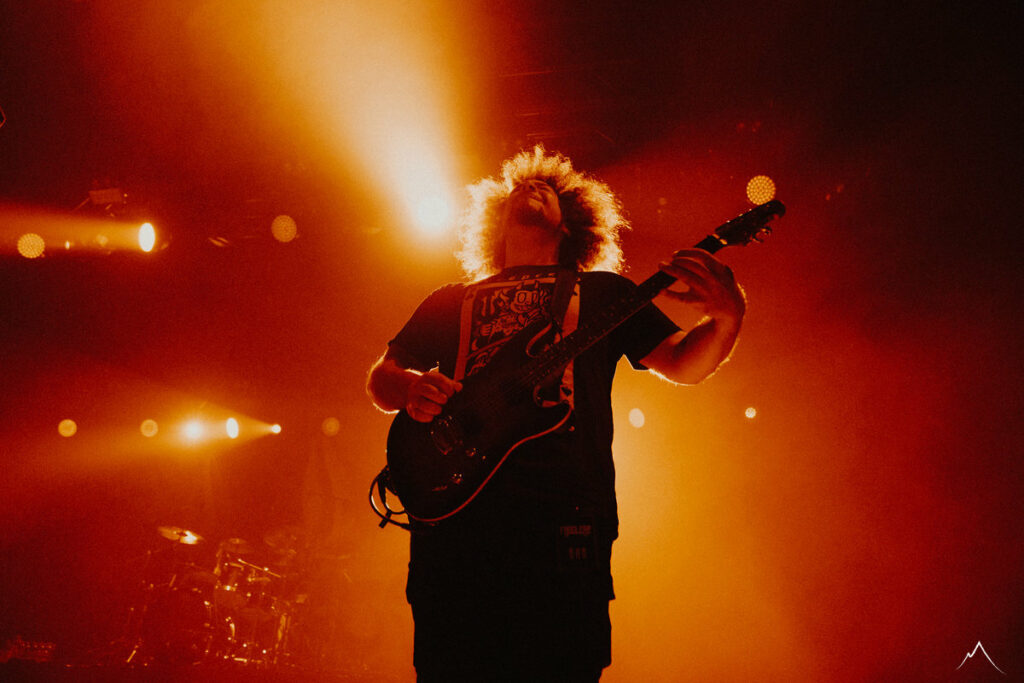
Raw-sounding drum toms serve as a rocking introduction to “It Goes to Eleven”, which as everyone knows is better than ten. The elegant guitar lines are captivating, since they break away from the slightly more standard direction the track was taking, though it returns to that idea for a bit of guitar muscle-flexing.
And with a title like “SpaceJam”, you’d expect there to be room for keyboards to reinforce the mood, contrasting with the rawness of the section where the guitar takes over. The chord progression running through the whole second half is really interesting, giving it an epic feel. A minute and a half of musical excellence.
And with ideas somewhere between smooth jazz and instrumental rock, “Tone of Kings” unfolds, a bit in the vein of what Tauk might do. It’s quite different from what we’d heard so far, but it’s always welcome when an artist tries to add variety to their work so as not to wear out every kind of listener. Worth adding that the bass groove is the kind that gets your neck working out in every direction.
That said, fans of heaviness will get to enjoy themselves again with the opening chords of “Collateral Damage”, which usher in relentless, precise ostinatos over which the lead guitar gradually spins out increasingly interesting, exciting ideas. The shift to heavier speeds, with sharply marked accents, and the subsequent tempo changes recall songs from the most classic progressive-metal bands, like Dream Theater or Fates Warning. All of this packed into the album’s longest track.
And four guitar notes create an unsettling mood on “Mesh Head”, briefly cradled by a very low-tuned guitar riff. Rabea Massaad’s ability to musically distil ideas down deserves real credit. Something he shows again on “The Second Son”, where a primary arpeggio is later followed by a ferocious passage. Here, admittedly, it might have been worth developing the track further, since you’re left wanting much more.
But the amusing opening of “Parade of Rage” quickly focuses your attention on what’s coming, which is nothing less than a furious rock passage that dissolves into arpeggios and a bass playing a mellow line — a setting well suited to picking the track back up from the start and closing out with a blistering solo.
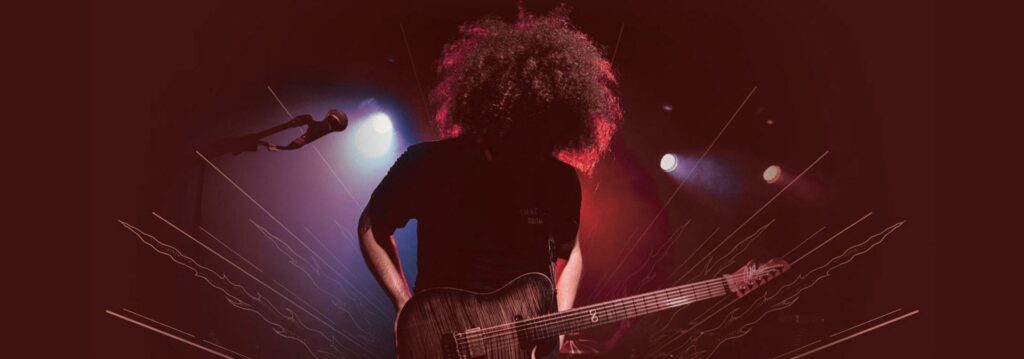
And no less heavy is “Triptych”, which again hands out electric slaps until the arrival of what could be considered a smooth, elegant chorus. The transition into more metal territory happens directly, but links together very well. We could even say the final section has a slightly doom-tinged element to it, before the opening melodies return.
Choosing a much more minimalist introduction to close out the album means that the appearance of a chord cycle, acting as a bridge, carries an epic weight. From there, almost inevitably, we get an exquisite guitar solo, given the artist’s specialty in this instrument. But to avoid falling into cliché, he gives it one more twist, crafting a brutal closing coda that leaves us breathless.
Although he might not be a conventional musician, and this perhaps shows that our society doesn’t always put music at the centre of things, there’s no denying he’s put together a sensational record, well worth listening to attentively.
Writer: David Sàez