
Jazz
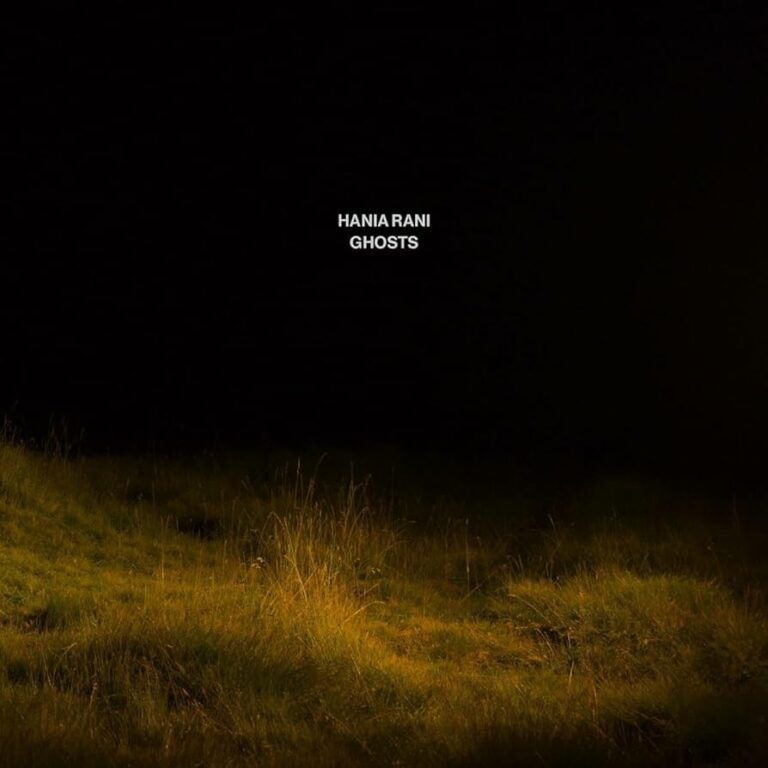
Polish artist Hania Rani presents her third record: “Ghosts”. Intimate, full of light and shadow.
As an introduction, “Oltre Terra” offers a combination of string sounds and keyboard atmospheres playing warm-up harmonies. Right after, we get “Hello”, a song that starts off really well with interesting arrangements and vocal melodies, adding jazz elements on piano, though deep down it is fairly trivial.
The next track is “Don’t Break My Heart”, co-written with Duncan Bellamy, trying for an intimate feel with an anodyne melody over piano chords and percussive rhythms leaning toward noisy. On top of that, it becomes repetitive, and you start asking the referee for the time.
In its favour, we should say there is an attempt at variety, since “24.03” is an instrumental composition very much in the electronic genre Jean Michel Jarre cultivated in the seventies, with keyboards evoking that era. But it keeps the calm, unhurried tone that marks this whole record, so the variety it is aiming for does not quite translate into actual fun.
“Dancing with Ghosts” features Canadian singer Patrick Watson accompanying the vocal melodies. It could have been called “Don’t Break My Heart, Again”, since it brings us exactly the same ideas as the album’s third track. Look, guest appearances by other artists are supposed to add colour to your compositions, not turn them grey.
Continuing in this tedious vein, “A Day in Never” lives up to its title. The idea from the opening track we have already heard, with a kick drum and some percussion rhythms added on, and vocal lines that do not say much. It is true we should credit the musical language in the closing string arrangements, where you can tell she has made good use of her musical education.
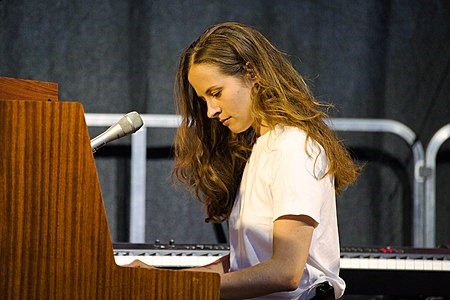
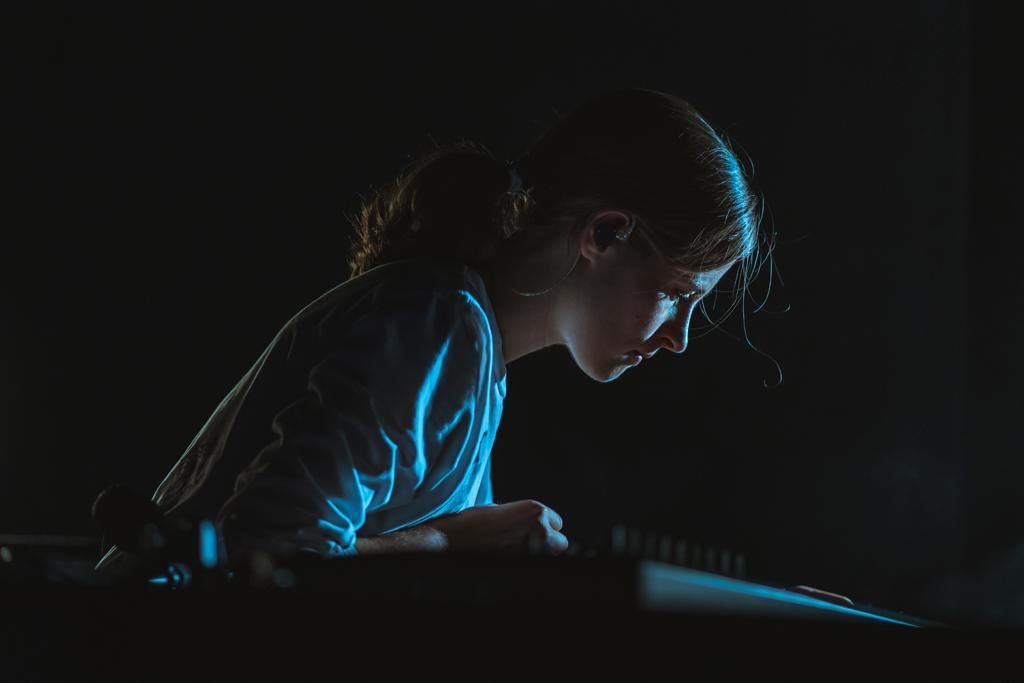
I am not sure whether “Whispering House” was intended as a lullaby, but if so, I would recommend the deluxe edition throw in a pillow and an alarm clock. A curious idea, though not an innovative one — it is played at a very low volume so that, in the mix, you can clearly hear the piano hammers touching the strings, or the breathiness of the vocals. Incidentally, this track was perpetrated in necessary complicity with Ólafur Arnalds, another thrilling composer.
But the charm of that effect wears off once exactly the same thing happens on “The Boat”. The double bass, which was just an accompaniment on the previous track, gets more presence here, though the piano remains the connecting thread. It is a seven-minute track, but everything it has to offer is used up by the third minute, so we get a lot of recurring ideas.
“Moans” is probably the most interesting composition. An ambient introduction and minor-key harmonic turns, with a successful melody that might recall Steven Wilson songs, both in structure and production.
“Thin Line” again features help from Duncan Bellamy, and it is worth noting it is in a fairly different register from their earlier collaboration. If it weren’t for Haini Rani’s distinctive voice, you might think you were listening to a Kate Bush or Peter Gabriel composition. Rani’s distinctive piano touch, and the closing section with strings carrying chords typical of Middle Eastern music, enrich the conclusion very effectively.
We are starting to make peace with this record. On “Komeda”, in what appears to be 3/4 time but is actually a slower 4/4, the rhythmic foundation develops, onto which various piano melodies are layered, mainly with excellent compositional quality and great class. It is true this is a fairly minimalist composition on the surface, exploring the same ideas across different textures, but it is done with great judgement, and you end up reaching the eleventh minute pleasantly, without even noticing.

The same polyrhythmic idea, with far more subtlety, appears on the moving “Utrata”. A ballad where she once again offers us gorgeous string arrangements wrapping around her distinctive voice, and a kind of electric piano that ends up giving you goosebumps. What on earth did you do with the first half of the album, girl?! Now this is genuinely a pleasure to listen to.
And “Ghosts” closes with the track titled “Nostalgia”. A shame that the piano’s hammers and pedals become extremely present again, muddying a performance that feels like it could be excellent, but ends up unpleasant. And we were steering things back so nicely too.
In conclusion, I always say the same thing: records running 35 to 45 minutes are phenomenal, but if you make one 66 minutes long, like this one, there will always be something that could have been cut. We get 24 minutes with some superb moments. All it needed was to trim three or four of the less brilliant pieces, and we would be talking about one of the albums of the year; but until you reach tracks 9 through 12, the listener’s patience is put through a serious test.
Writer: David Sàez